History · Stitches · Motifs · Techniques · Troubleshooting · Care · Contemporary Practice
KASUTI
The Complete Encyclopedia
The counted-thread heritage embroidery of Karnataka — a classroom, self-study, and professional reference guide, built for teachers, self-learners, designers, and embroidery artists.
How to Use This Book
Teachers
Parts I–III form a ready-made course — history and context, then materials and the four stitches, then graded practical exercises. Part IV supplies a troubleshooting bank. Chapter 20 covers full classroom/studio setup.
Studio & classroom setup →Self-Learners
Start with Part II (Materials) and Part III (Step-by-step Practice). Refer back to Part I whenever you want the cultural and historical "why" behind what your hands are doing.
Materials & tools →Designers & Embroidery Artists
Part I (motifs and meanings), Part VI (contemporary practice, sourcing, revival), and the Glossary and Reference tables are built for quick lookup and citation.
Sourcing & ethical commissioning →The Four Traditional Stitches
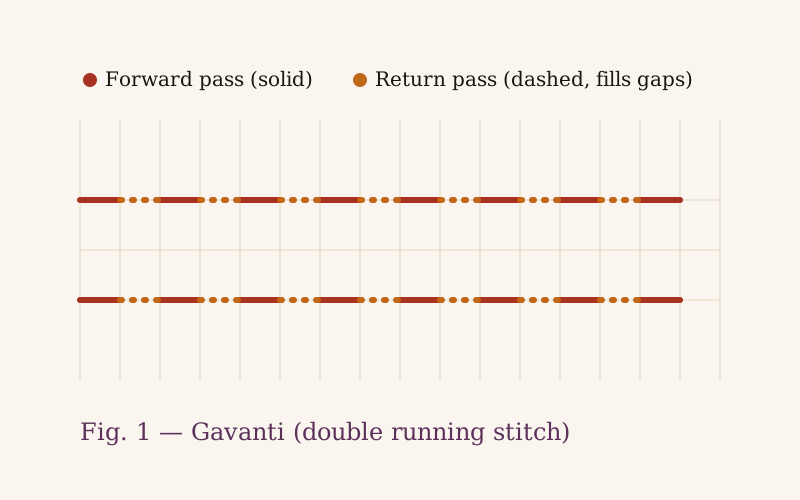
Gavanti
Double running stitch. Fully reversible. Outlines & borders.
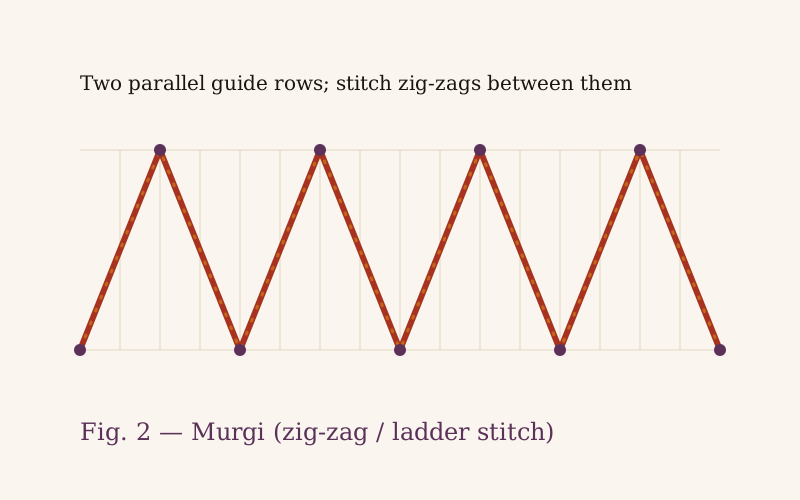
Murgi
Zig-zag ladder stitch. Fully reversible. Borders & bands.
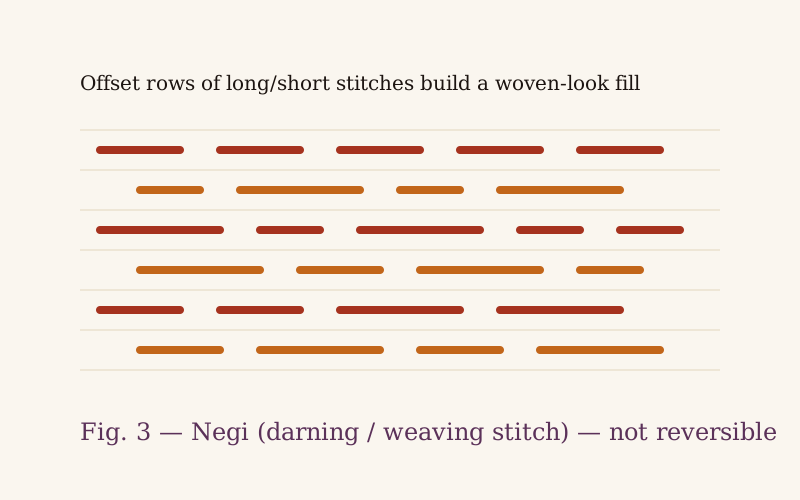
Negi
Darning/weaving stitch. Not reversible. Fills large motifs.
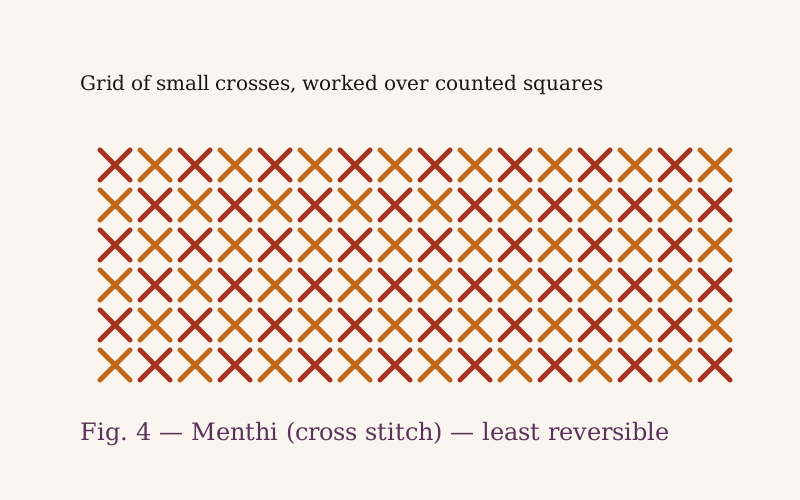
Menthi
Cross stitch. Least reversible. Texture & small fills.